Your Kidneys Deserve Expert Care
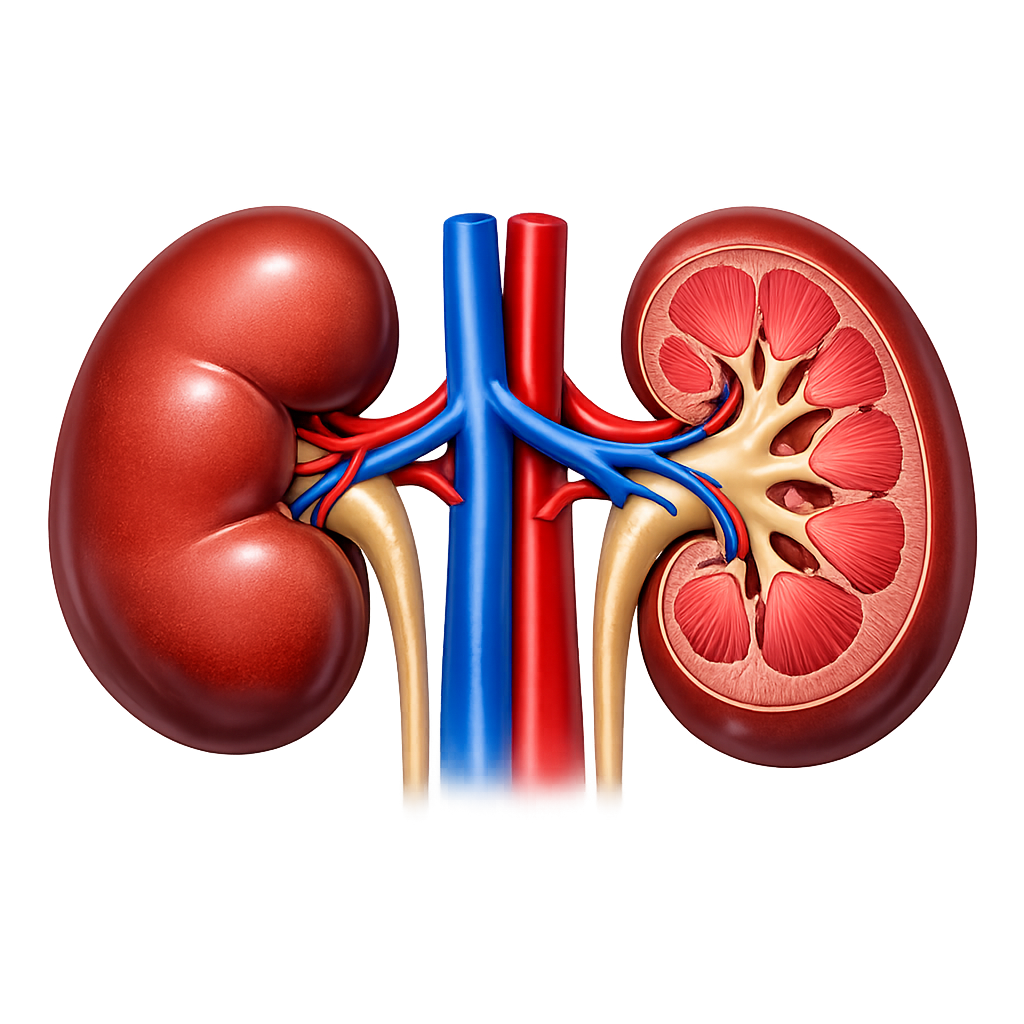
Your kidneys do far more than you think—they are essential to keeping your body in perfect balance. Acting as your body’s natural filtration system, they regulate fluids, maintain vital minerals like sodium and potassium, and help control your blood pressure.
Healthy kidneys also support strong blood by contributing to hemoglobin production—keeping your energy levels and overall wellbeing on track.
Why Patients Choose
Kidney Care Center
Your health. Your kidneys. Our priority.

Expertise
Professor Waqar Ahmed
Consultant Nephrologist | 30+ Years of Excellence in Kidney Care
Professor Waqar Ahmed is a highly respected Consultant Nephrologist with over three decades of clinical, academic, and leadership experience in the field of kidney care. A Fellow of the College of Physicians and Surgeons of Pakistan (FCPS) since 1998, he has dedicated his career to advancing nephrology services and improving patient outcomes.
He previously served at the prestigious Shaikh Zayed Hospital, Lahore, where he led the Department of Nephrology until 2025. Following his distinguished tenure in public service, he was appointed Professor of Nephrology at Akhter Saeed Medical College, continuing his commitment to education and excellence.
A Legacy of Expertise & Leadership
- ✓Renowned Mentor
- ✓Academic & Institutional Leadership
- ✓National Contribution
Professor Ahmed has trained over 70 postgraduate doctors (FCPS & MD), many of whom are now serving as leading consultants and educators across the globe.
He has been an active examiner and convener for the College of Physicians and Surgeons of Pakistan (CPSP) and the University of Health Sciences since 2010, contributing to the highest standards of medical education.
A former President of the Pakistan Society of Nephrology (2017–2019), Professor Ahmed continues to shape kidney care nationwide. He currently oversees the Pakistan Renal Data System (PKRDS), supporting research and policy development.
Clinical Excellence You Can Trust
Professor Ahmed specializes in the comprehensive management of kidney diseases, including:
- Chronic Kidney Disease (CKD)
- Dialysis
- Diabetic Kidney Disease (Diabetic Nephropathy)
- Renovascular Hypertension
- Kidney Transplant & Post-Transplant Care
With experience in supervising over 3,000 kidney transplants, he has helped countless patients achieve long-term health—many maintaining excellent outcomes for more than two decades under his care.
Compassion Beyond Treatment
Beyond clinical expertise, Professor Ahmed is deeply committed to patient education, early detection, and preventive nephrology—empowering patients to take control of their kidney health.
When Kidney Health Is at Risk
When your kidneys are not functioning properly, it can affect your entire body. Early signs are often subtle but can quickly become serious if ignored.
You may experience:

Swelling of the Feet and Face
Fluid retention due to impaired kidney function can lead to swelling (edema), particularly in the feet, ankles, and face.

Changes in Urine Color and Quantity
Urine output may be reduced or increased. It may appear dark, foamy, or unusually clear like water.

High Blood Pressure
Kidney disease is one of the most common causes of secondary hypertension, especially in younger individuals.

Shortness of Breath
Fluid accumulation in the lungs and anemia associated with kidney disease can cause difficulty in breathing.

Loss of Appetite, Nausea, and Vomiting
A buildup of waste products (uremic toxins) in the blood can lead to gastrointestinal symptoms.

Fatigue and Weakness
Patients may experience persistent tiredness, low energy levels, and difficulty concentrating due to anemia and toxin accumulation.

Skin Problems
Dry, itchy skin may occur as a result of mineral imbalances, particularly elevated phosphorus levels.

Mental Confusion and Drowsiness
Severe accumulation of toxins can affect brain function, leading to confusion, drowsiness, decreased alertness, seizures, or even unconsciousness.

Weight loss/ weight gain
Weight loss because sever Gastrointestinal symptoms and weight gain because of salt and water retention
 Read More